
Pipe Fence: Durability, Design, and Installation Tips
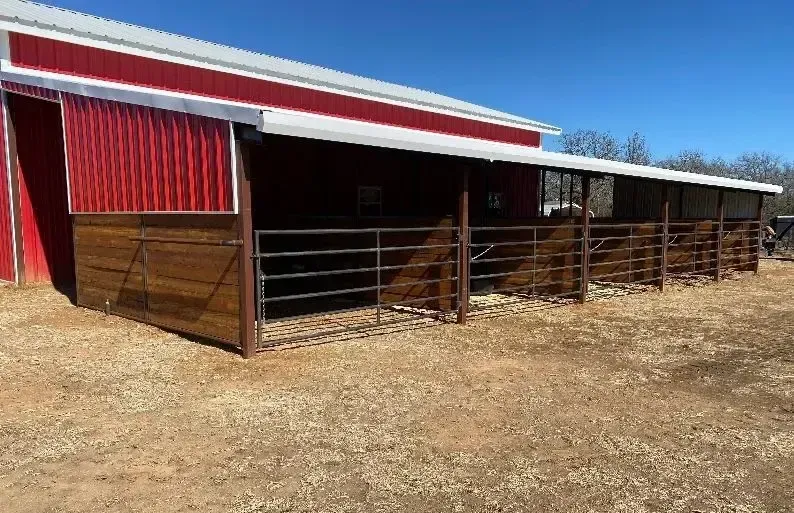
A pipe fence gives clear benefits for many properties. It blends strength with a simple look. Homeowners and ranchers choose pipe fences for long term use and low upkeep. The structure stands up to weather and animals with little fuss.
This post explains what makes pipe fences work well. It covers materials, design choices, and steps for a smooth install. It also shares care tips that keep a fence strong for years. The goal is to help you make smart choices for your property.
Why Choose Pipe Fence?
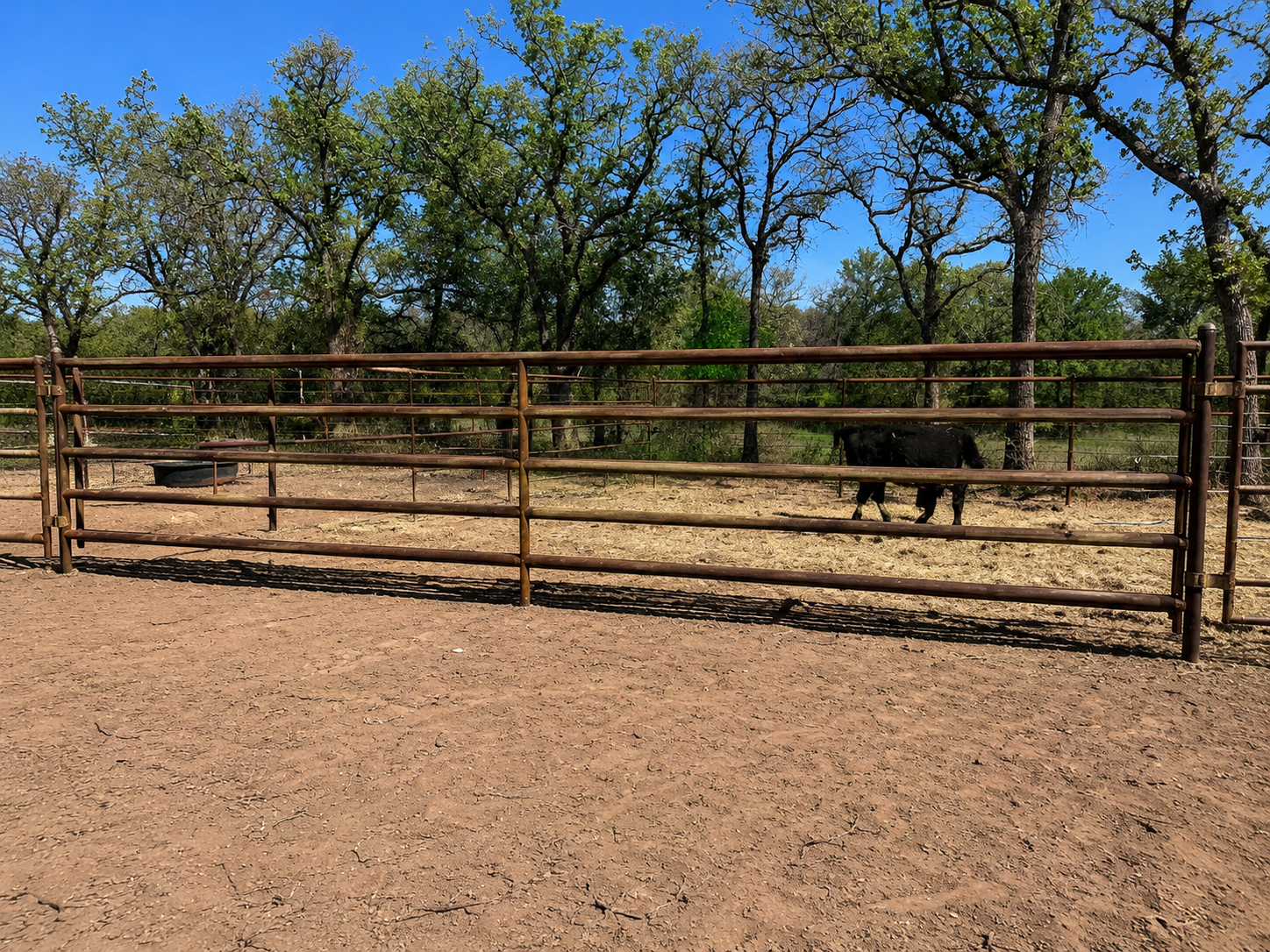
A pipe fence resists impact and holds shape under pressure. The round pipe resists bending and keeps animals safe. It also offers a clean, open view that suits rural and suburban settings.
If you want a reliable local partner, consider a Pipe fencing contractorwho knows the area. A skilled team speeds the job and avoids common mistakes. Proper planning saves time and reduces future repairs.
Materials and Design Options
Pipe fences come in several grades of steel and finishes. Galvanized pipe resists rust. Powder coats add color and extra protection. Choose materials that match your budget and the local climate.
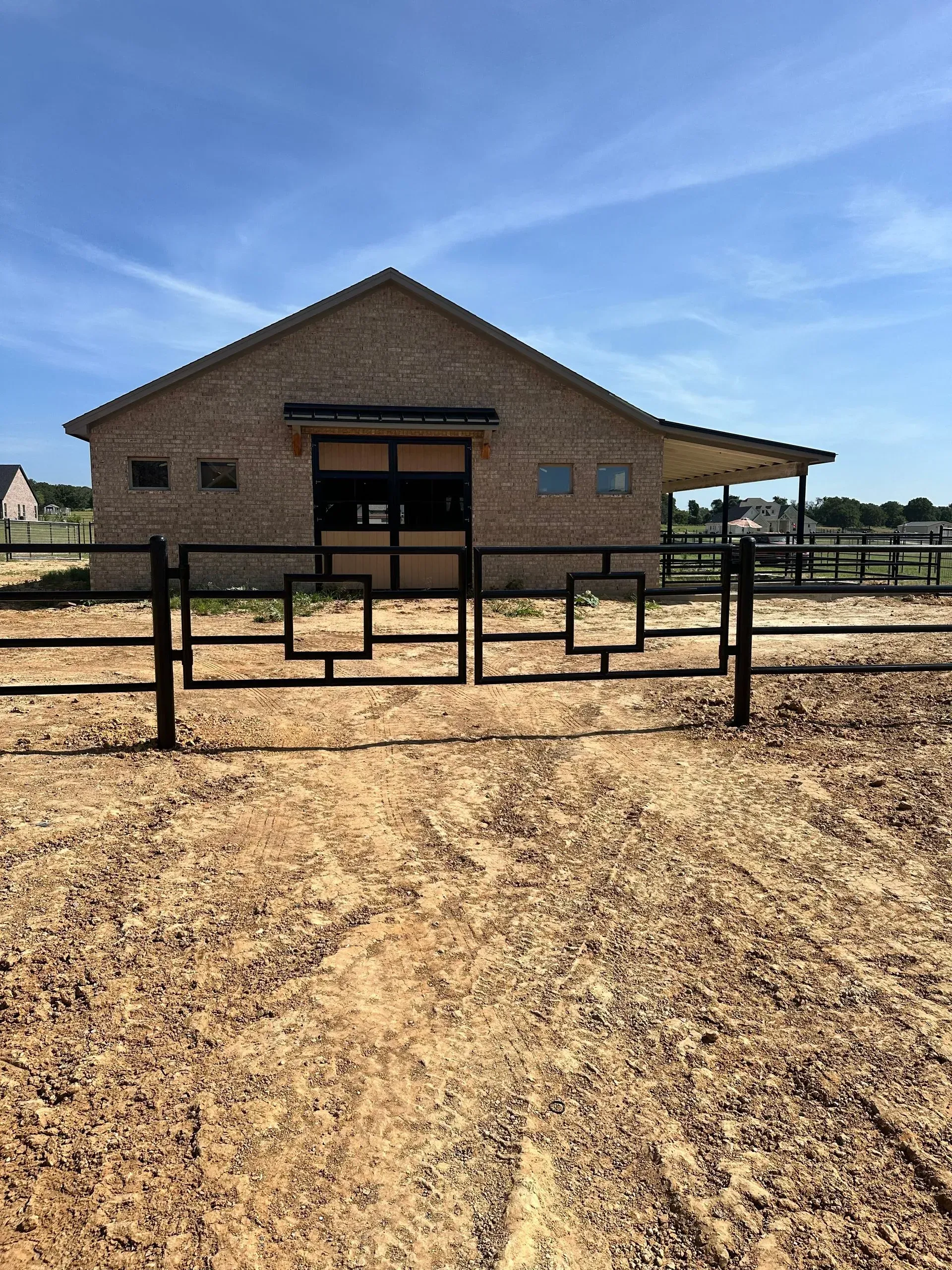
Design choices affect function and look. You can pick post spacing, rail count, and gate style. Consider these common options. Each option changes cost and performance. Discuss use case and site conditions with your installer. That ensures the fence fits your needs and stays practical.
Installation Process
Good installation starts with a clear plan. Mark the line, check property limits, and call for utility locates. Set posts in concrete for long term stability. Use level rails and consistent spacing for a neat result.
Install gates last and test them for smooth operation. Tighten fittings and check welds. A careful crew follows local codes and leaves the site clean. That reduces surprises and keeps the project on schedule.
Site Preparation and Soil Considerations
Soil type affects post depth and concrete mix. Sandy soil needs deeper footings. Clay soil may require drainage to avoid frost heave. A site visit reveals the right approach for each location.
Remove debris and grade the line before digging. Clear sight lines and trim roots that interfere with posts. Proper prep prevents shifting and keeps the fence straight over time.
Maintenance and Longevity
Pipe fences need little routine care. Inspect welds and fittings once a year. Tighten loose bolts and touch up paint where needed. These small steps prevent rust and extend life.
If a post or rail gets damaged, replace it promptly. Quick repairs stop small issues from growing. With basic care a pipe fence can last decades and keep its function and look.
Safety and Code Compliance
Follow local rules for gate swing and visibility at driveways. Proper hardware and latches keep gates secure. Use smooth fittings where children or animals may come close.
A licensed installer knows code requirements and can pull permits if needed. That protects you from fines and ensures the fence meets safety standards. It also helps with resale value.
Cost and Value
Pipe fences offer strong value for the money. Initial cost varies with pipe grade and gate complexity. Long term savings come from low maintenance and fewer repairs.
Think of the fence as an investment in property function and curb appeal. A well built fence adds security and can raise the perceived value of your land. Compare quotes and check references before you decide.
Design Tips for Curb Appeal
Keep lines straight and posts evenly spaced for a tidy look. Match gate hardware to the fence finish for a cohesive style. Simple choices often create the best visual impact.
Add a gravel or mulch strip along the base to reduce grass growth. That keeps the fence visible and reduces mower damage. Small design moves make a big difference in appearance.
Working with a Local Contractor
Choose a contractor who knows local soil and weather patterns. Local crews move faster and handle permits with ease. They also offer service after the job is done.
Ask for a clear written estimate and a timeline. Check for insurance and references. A reliable contractor communicates and stands behind their work.
Environmental and Practical Benefits
Pipe fences use less material than solid walls and allow wildlife movement. They also reduce wind load on the structure. This makes them practical for open land and pasture.
Steel pipe is recyclable at the end of its life. Choosing durable finishes reduces the need for replacement. These choices lower long term environmental impact.
Bottom Line
Lucky L Construction installs pipe fences that last. We focus on solid materials, clean design, and careful installation. Our team works with you to pick the right pipe grade and gate style for your property.
Choose a local Pipe fencing contractor who values quality and clear communication. For projects that need strength and style consider metal fencing in Mineral Wells, TX as a practical option. Contact us for a site visit and a detailed estimate. We deliver durable fences that protect your land and enhance its look.